
1890–1898 · Arts and Crafts
William Morris
& Kelmscott Press
7 min read · 2 sourced works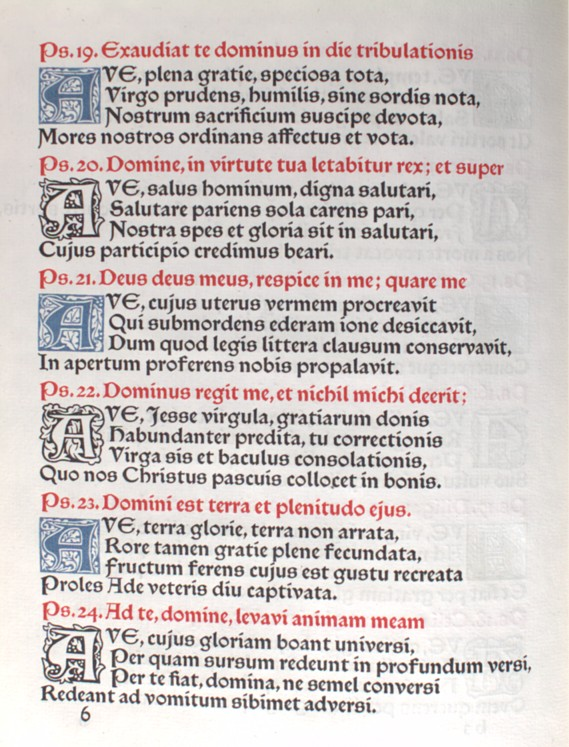
The book returned to a designed whole
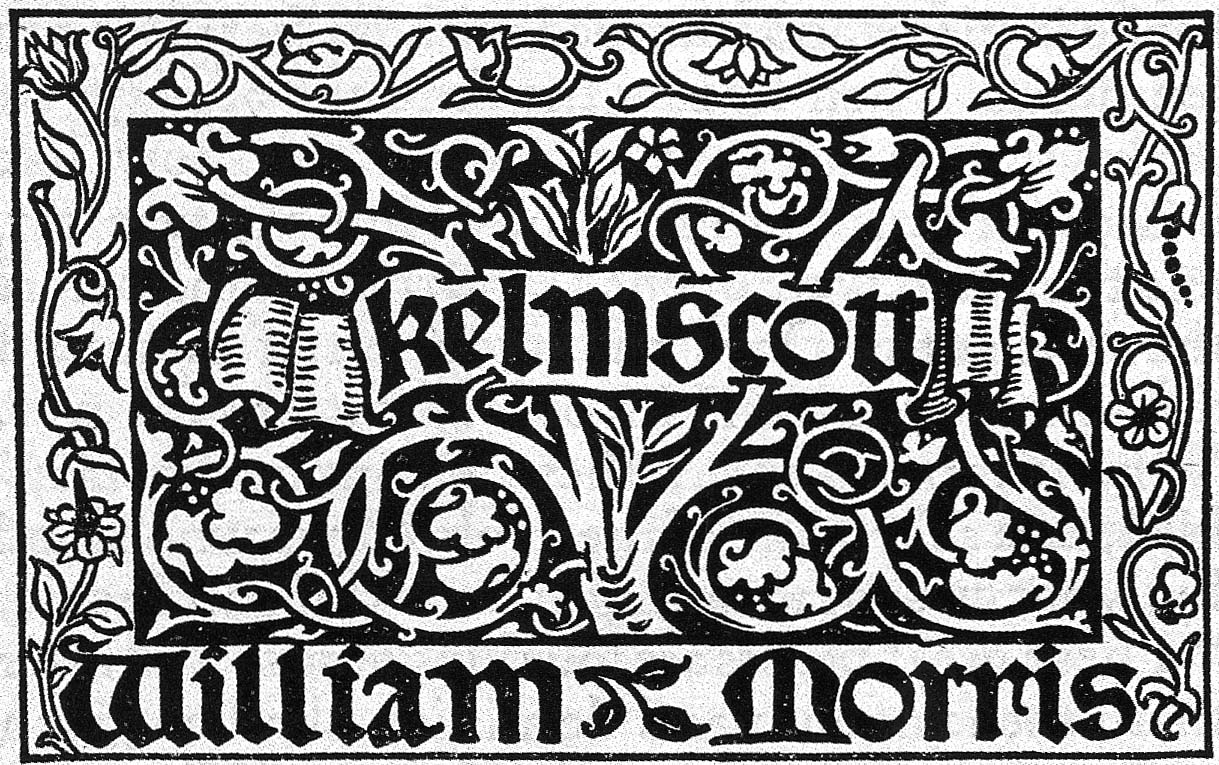
William Morris founded the Kelmscott Press in 1891 to make books in which type, ornament, illustration, paper and spacing belonged to one visual system. The historical reference was deliberate, but the result was not a simple imitation of medieval printing: dense pages, forceful initials and custom letterforms gave the press an unmistakable voice.
The opening of The Story of the Glittering Plain turns its title into an image. Large blackletter forms are woven into a field of foliage, while the facing page joins display lettering, illustration and text without treating them as separate layers.
Before the press, the hand
Morris’s manuscript catalogue shows the written foundation beneath the printed work. Broad-edged forms, coloured initials and changes of scale organise information while preserving the rhythm of handwriting. The Kelmscott books translate that sensibility into repeatable printing.
A workshop, not a solitary signature
The collection credits Morris where a design or manuscript is documented as his, and Kelmscott Press where the page is best understood as workshop production. This distinction keeps the artist and the studio visible without collapsing every contributor into a single name.
Sources
Both images have individual Wikimedia Commons records and reusable rights statements. The underlying nineteenth-century works are public domain; the modern photographs used here are either CC0 or explicitly reusable.
Only raster files that passed a visual-content check are included. Illustration-only pages and repeated scans were excluded.